
Watercolor vs Oil Pet Portraits: What to Compare
Compare watercolor and oil pet portraits by appearance, materials, display and commission details, with a clear distinction between originals and digital art.
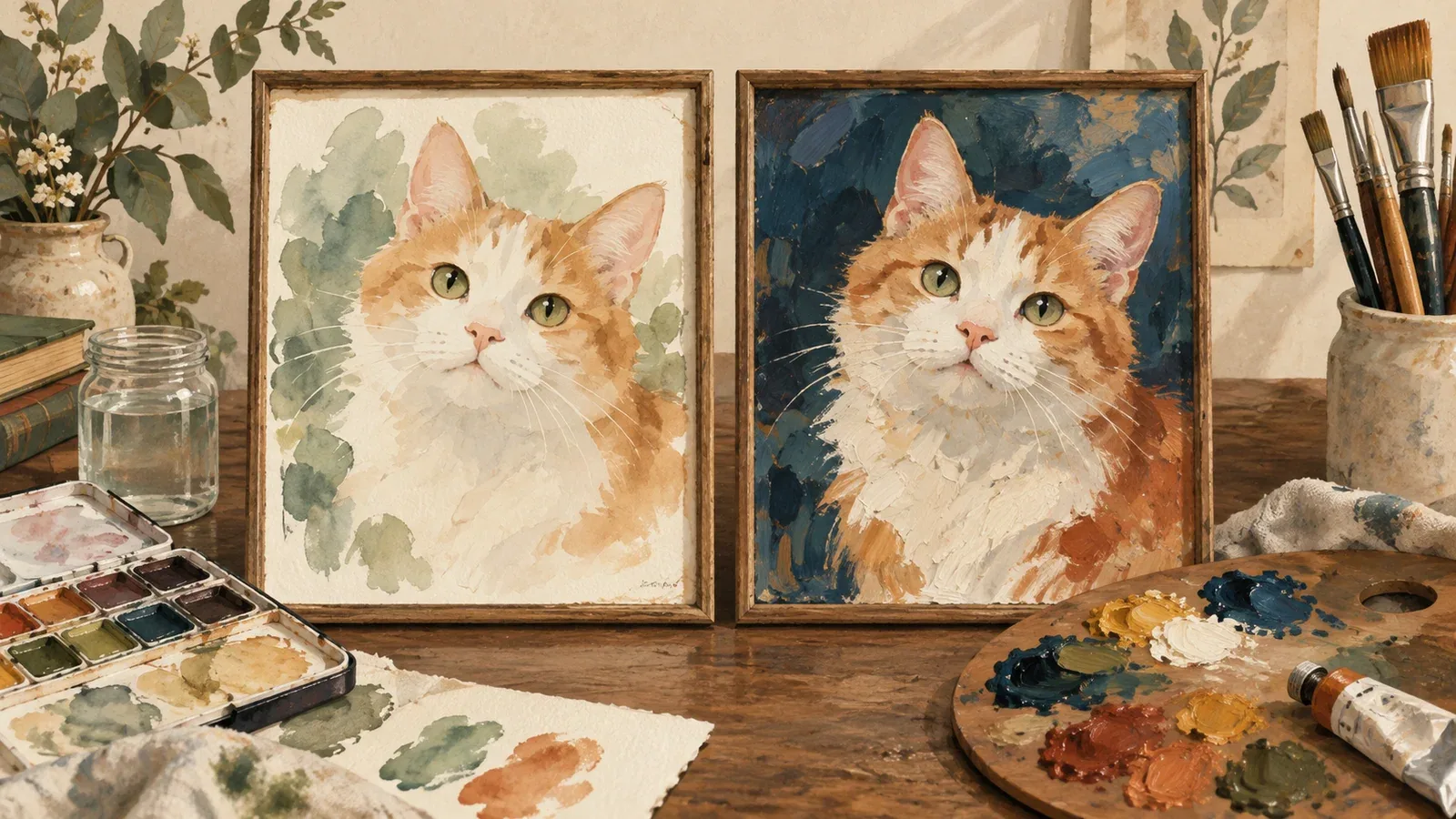
Table of Contents
When comparing watercolor and oil pet portraits, first decide whether you want an original painting or a digital image with a painted appearance. Then compare actual examples for their treatment of the face, edges, background and markings. The medium's name alone cannot tell you how recognizable or expressive the portrait will be.
Confirm what you are buying
| Listing description | What it might mean | Ask the seller |
|---|---|---|
| Original watercolor | A painted work, often on paper | Which paint, support and finished dimensions? |
| Original oil portrait | A painted work on the stated support | Canvas, panel or another support; framed or unframed? |
| Watercolor or oil-style print | A reproduction with that appearance | What made the image, and what paper is supplied? |
| Digital watercolor or oil-style portrait | An image file | Human-drawn, AI-generated or another process; which file dimensions? |
Ask directly if the listing is unclear. A digital painting can be carefully made, but it is a different deliverable from a physical original.
Compare visible qualities, not stereotypes
Watercolor portraits often use washes and exposed paper as part of the image. Oil portraits can include opaque layers and pronounced brushwork. Neither description is a rule: a watercolor can be detailed and dark, and an oil portrait can have restrained, smooth paint handling.
Look at several finished cat portraits by the specific artist. Inspect the eyes, muzzle, ear edges and the transition between the head and the background. Decide which details need to stay precise and which can become more expressive.
If you have a tabby with a distinctive mark near the nose, find examples where the artist handles comparable small markings. A loosely interpreted background may be welcome even when you want a carefully observed face.
Ask about the commission and display
For each artist, request the same size, cat count and background complexity. Ask which stages you can approve and what happens if you request a change after painting starts. Ask for a completion estimate and a separate delivery estimate.
For example, the Melanie Phillips and Nicholas Beall commission page, read September 14, 2026, lists an oil portrait at 12 × 10 inches for £1,600 and a usual commission window of 6–10 weeks depending on schedule and complexity. This is one studio's advertised example; it is not a watercolor-versus-oil price average.
For display, follow the artist's instructions for the actual work. Ask whether it arrives ready to hang, whether framing is required, and what protection the surface needs. Do not apply a print-framing tutorial automatically to an original watercolor or an oil painting with a vulnerable surface.
If comparing prices, include framing, shipping and any extra composition work. A smaller original by an artist you love may suit you better than a larger work chosen only by medium.
Compare digital appearances separately
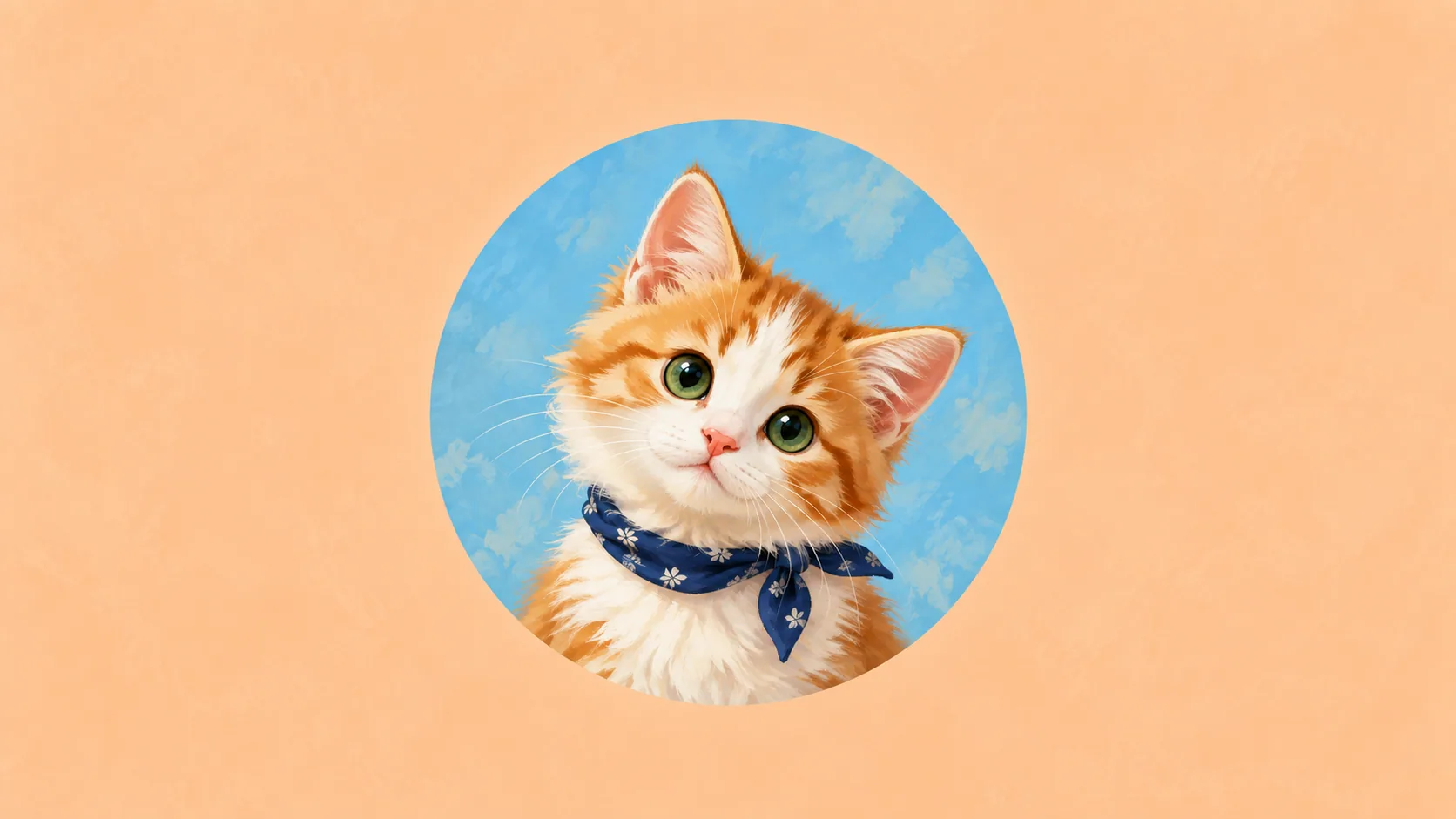
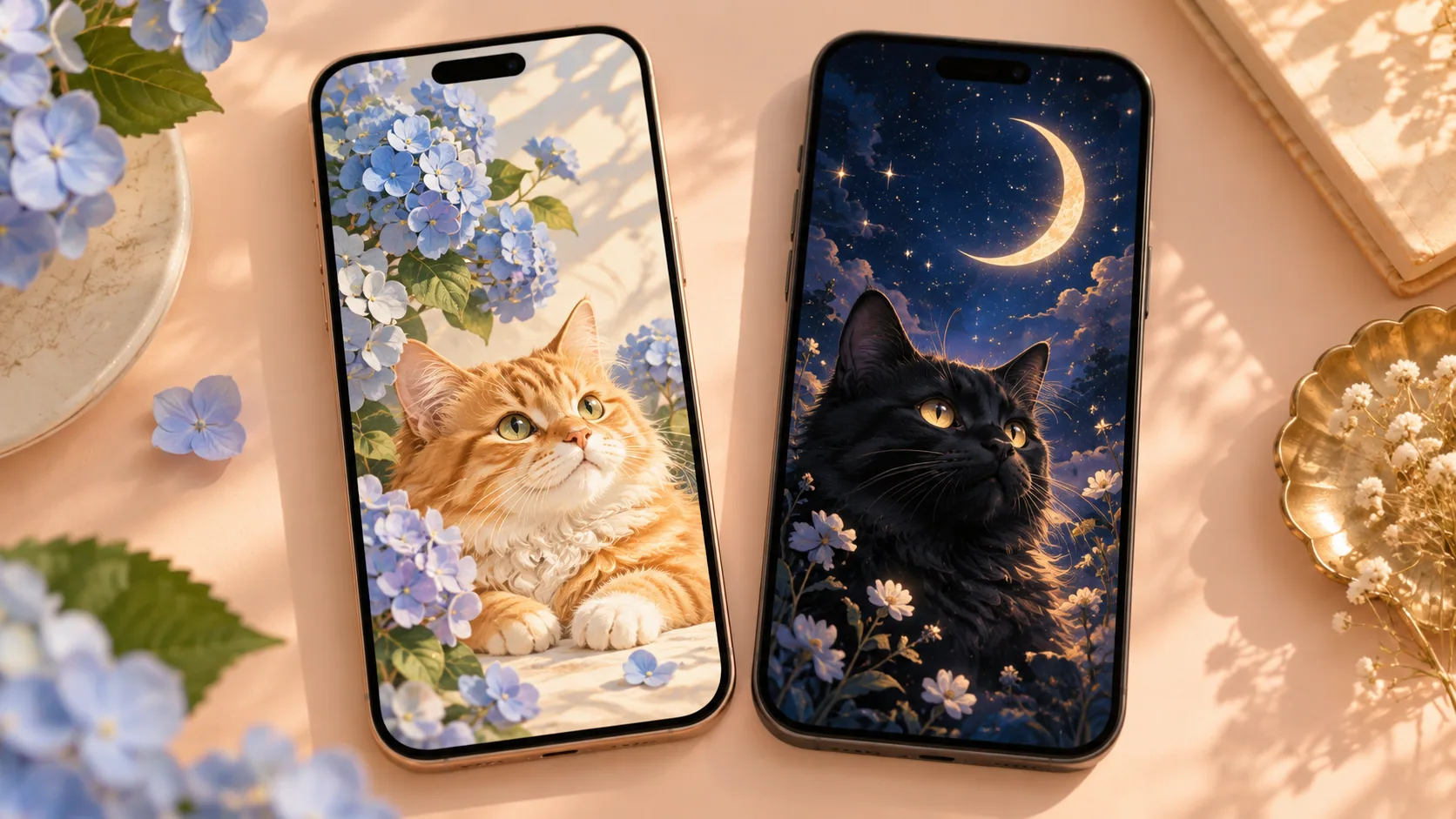
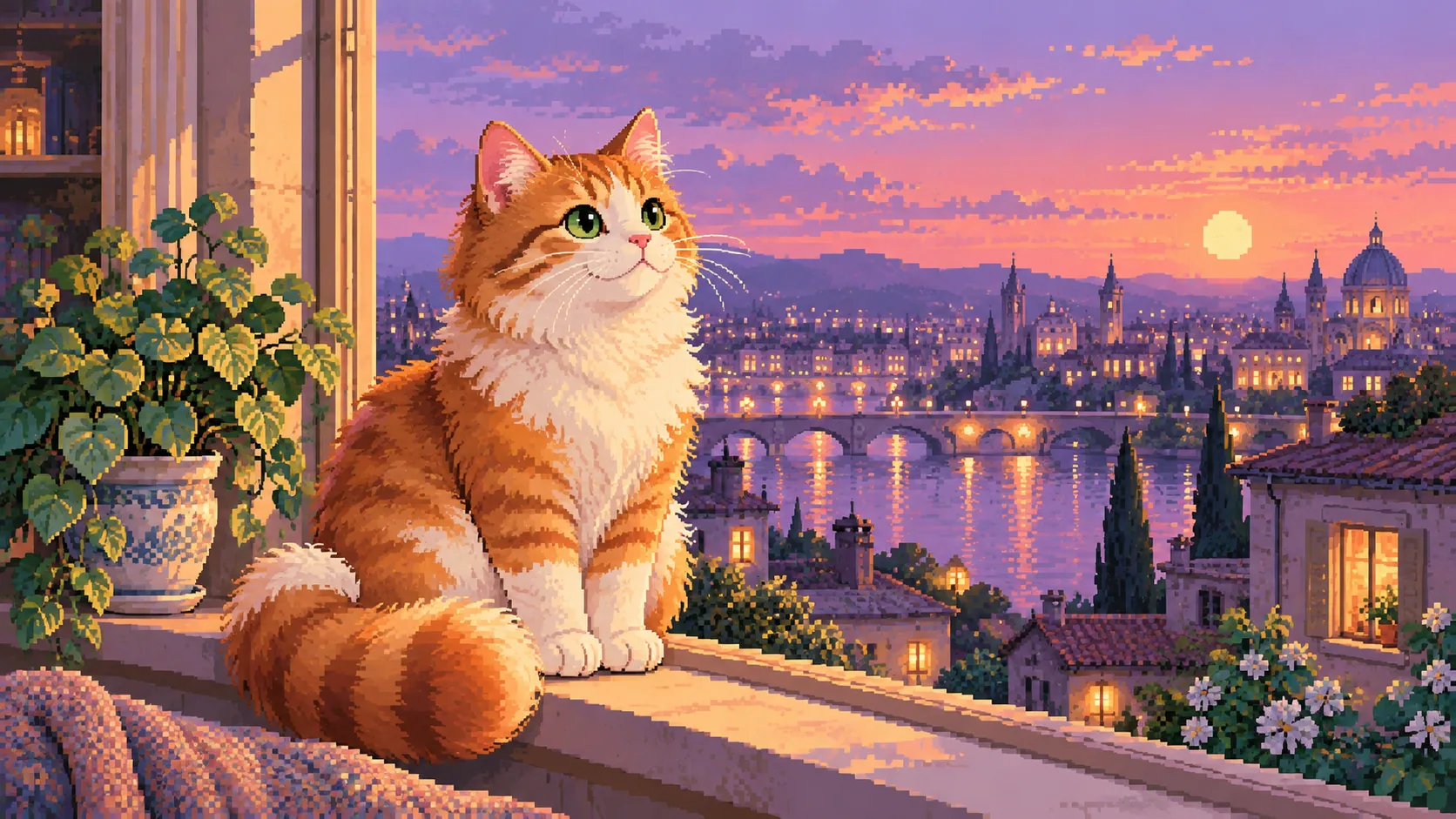
Frameow's watercolor and oil-inspired styles are AI-generated digital images. The examples below demonstrate appearance; they are not photographs of paint, canvas or paper, and they cannot show physical drying time, texture or durability.
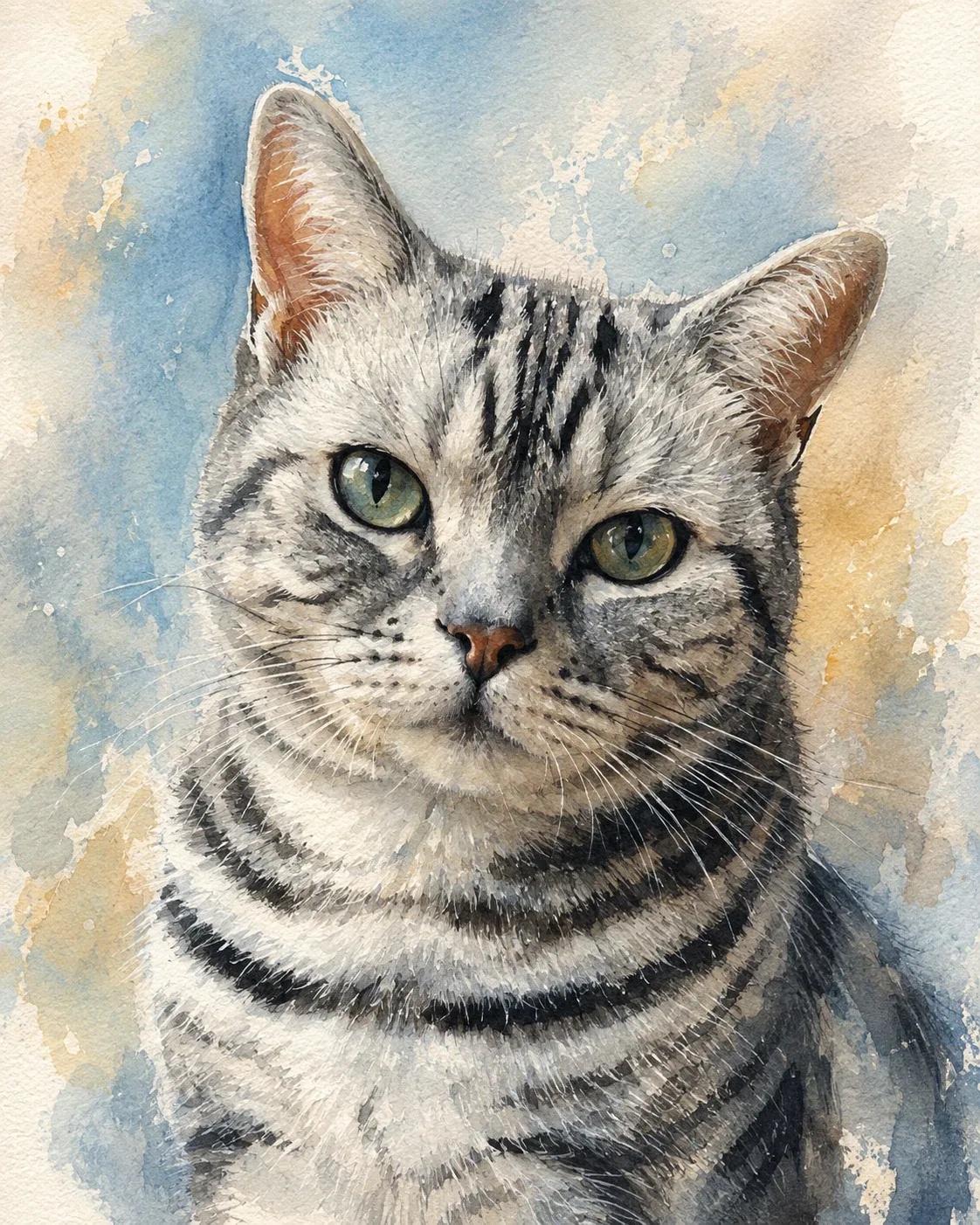
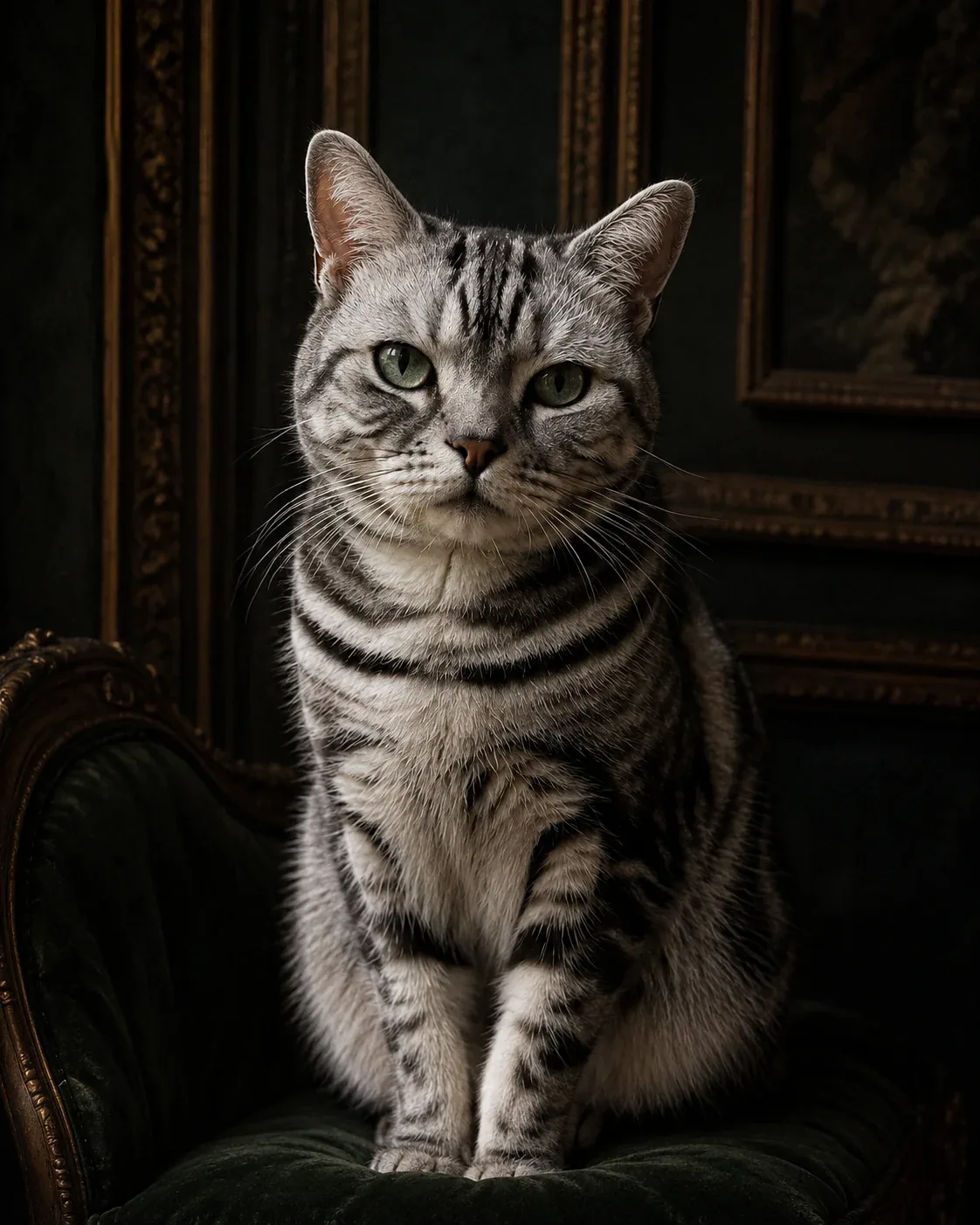
Both examples use the site's silver-tabby reference model, but generation changes more than the surface effect. Compare the expression and markings as well as the background. These are different complete digital interpretations, not a controlled experiment in physical media.
The watercolor collection example and French Castle oil-inspired style each have their own composition. Choose the complete image direction rather than expecting a preset to preserve every detail identically.
Make the decision with five questions
- Do I want a physical original, a print or a file?
- Which artist's or style's finished cats do I actually enjoy?
- Which facial details must stay recognizable?
- What is the complete cost and realistic handoff date?
- Where will the work live, and what display preparation does it need?
If the answers favor an original, discuss the reference with the artist. If they favor a digital illustration, check the output and printing needs before buying a frame. The right route is the one that delivers the kind of artwork you want to keep, with a process and budget you understand.
Cat portrait tutorials, creative gift ideas, and new styles from the Frameow team.